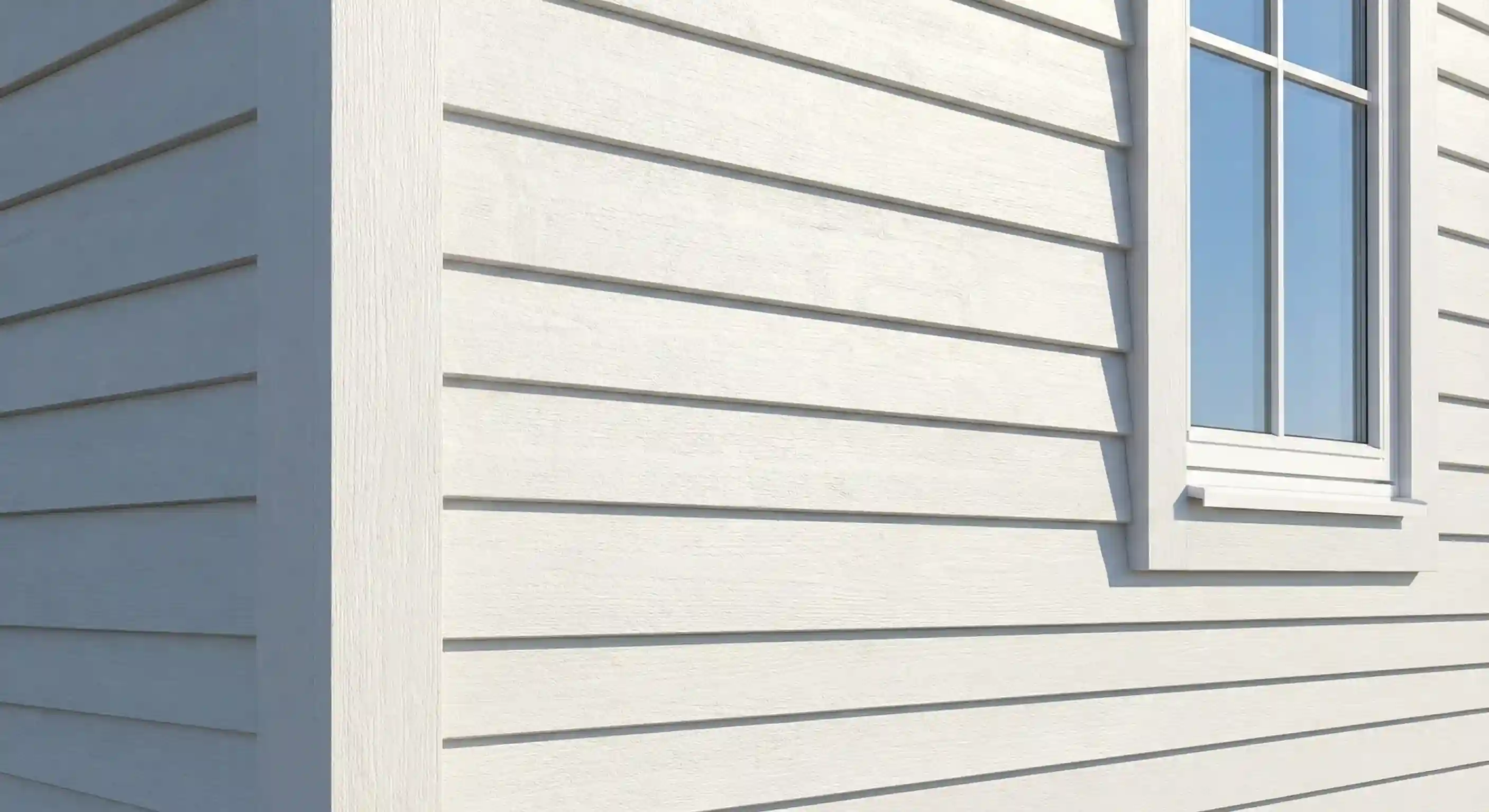
Vinyl Siding Installation in San Antonio
Need vinyl siding in San Antonio? We install high-quality vinyl siding that resists heat, fading, and warping. Most projects run $3-$7 per square foot installed, making vinyl the most affordable siding option for San Antonio homeowners.
Modern vinyl has come a long way. Today’s products resist heat better, fade less, and look more realistic than vinyl from even 10 years ago. But installation quality still matters more than the product itself.
Why Vinyl Siding for San Antonio Homes
Affordability Vinyl costs 30-50% less than fiber cement while still providing decades of protection. For homeowners on a budget or planning to sell within 10 years, vinyl makes financial sense.
Low Maintenance Wash it once a year with a garden hose. No painting, no staining, no sealing. Vinyl doesn’t rot, rust, or attract termites.
Variety Hundreds of colors, multiple styles (traditional lap, shake, vertical), and various textures. You can achieve almost any look—from craftsman to modern farmhouse.
Durability Quality vinyl resists impact, doesn’t corrode, and handles San Antonio’s weather when properly installed. Expect 20-30 years of service life.
Energy Efficiency Insulated vinyl adds R-value to your walls, reducing heat transfer. This helps in both summer and winter, cutting energy costs year-round.
Vinyl Performance in San Antonio’s Climate
San Antonio tests siding. We need to talk about how vinyl performs in extreme heat, because not all vinyl is created equal.
Heat Resistance Standard vinyl can warp in temperatures above 160°F. Dark colors absorb more heat and are more prone to warping. Light colors reflect heat and perform better. We recommend premium-grade vinyl with heat-resistant formulations for San Antonio.
UV Exposure Texas sun fades colors over time. Modern vinyl includes UV inhibitors that slow fading significantly. Expect some color change over 15-20 years, but quality vinyl maintains appearance far better than older products.
Expansion & Contraction Vinyl expands and contracts with temperature changes. Proper installation leaves appropriate gaps for movement. Too tight, and panels buckle. We nail the spacing every time because we’ve done hundreds of homes in this climate.
Wind & Hail Quality vinyl withstands typical San Antonio storms. Severe hail can crack or dent vinyl, but so can any siding material. We install with proper fastening to resist wind uplift.
Types of Vinyl Siding We Install
Standard Vinyl Basic profiles with smooth finish. Most affordable option. Works well for rental properties or tight budgets. Lifespan of 15-20 years with proper installation.
Insulated Vinyl Foam backing adds rigidity, insulation value, and impact resistance. Feels more substantial than standard vinyl. Reduces exterior noise. We recommend this for most homeowner installations.
Premium Vinyl Thicker profiles, enhanced UV protection, better color retention, and more realistic wood grain textures. Costs more but lasts longer and looks better.
Specialty Profiles Shakes, scallops, board-and-batten, and cedar impressions. These mimic traditional materials at a fraction of the cost.
Vinyl Siding Colors for Texas
Color choice affects more than appearance—it impacts performance.
Light Colors (White, Cream, Beige) Reflect heat, reducing warping risk. Most popular in San Antonio. Show dirt less than you’d think. Wide availability and easiest to match for future repairs.
Medium Colors (Gray, Sage, Taupe) Good balance of aesthetics and heat reflection. Increasingly popular in newer developments. Slightly higher warping risk than white but still perform well with quality products.
Dark Colors (Navy, Charcoal, Brown) Look dramatic but absorb heat. Only use premium-grade vinyl rated for dark colors. Higher warping risk and more visible fading over time. We advise caution with dark colors in San Antonio.
Our Vinyl Siding Installation Process
Proper Preparation We remove old siding, inspect sheathing for damage, repair any rot or water damage, and apply house wrap for moisture protection.
Correct Fastening Nails go in the center of slots, not tight to the wall. This allows expansion and contraction. Over-fastening causes buckling—we see this on DIY jobs constantly.
Starter Strips Level starter strips at the bottom ensure all subsequent rows install straight. Unlevel starter strips create waves that run up the entire wall.
Overlapping Panels overlap 1-1.5 inches and lock together. Proper overlap prevents water intrusion while allowing movement.
J-Channel & Trim Windows, doors, and corners get proper J-channel for clean edges and water management. Sloppy trim work looks terrible and creates leak points.
Expansion Gaps 1/4 inch gaps at all trim pieces allow for expansion. In San Antonio heat, vinyl expands noticeably. Without gaps, it buckles.
Vinyl Siding Maintenance
Annual Cleaning Hose off dirt and debris. Use mild soap for stubborn stains. Soft brush for textured areas. Never use pressure washers—they force water behind siding.
Inspect Caulk Check caulk around windows, doors, and trim annually. Replace cracked or missing caulk to maintain water protection.
Trim Trees Keep branches away from siding. Impact damage from rubbing branches is common and avoidable.
Check for Damage After severe storms, walk your home and look for cracks, holes, or loose panels. Address damage quickly before water gets behind siding.
Vinyl Siding vs. Other Materials
Vinyl vs. Fiber Cement Vinyl costs less, requires less maintenance, and installs faster. Fiber cement lasts longer, resists impact better, and looks more authentic. If budget allows, fiber cement is superior. If affordability matters most, vinyl is excellent.
Vinyl vs. James Hardie James Hardie is premium fiber cement with better warranties and finish durability. Costs nearly double vinyl. For forever homes and premium results, James Hardie wins. For value and performance, quality vinyl competes well.
Vinyl vs. Wood Wood requires ongoing maintenance—painting, staining, rot repairs. Vinyl never needs painting and doesn’t rot. Wood looks authentic but costs significantly more in both materials and lifetime maintenance.
Frequently Asked Questions
Does vinyl siding increase home value?
Yes. New vinyl siding recoups about 75-80% of cost in home value and makes properties sell faster. Curb appeal matters significantly to buyers.
Can vinyl siding be installed over existing siding?
Sometimes, but we don’t recommend it. Installing over old siding hides damage, creates uneven surfaces, and voids warranties. Proper removal and inspection prevents future problems.
Will vinyl siding fade?
All siding fades somewhat over decades. Quality vinyl with UV inhibitors fades slowly and evenly. Expect noticeable change after 15-20 years, but it’s gradual.
How long does vinyl siding last in Texas heat?
Quality vinyl properly installed lasts 20-30 years in San Antonio. Cheap vinyl or poor installation fails in 10-15 years.
Can cracked vinyl be repaired?
Individual panels can be replaced if we can match the color and style. Widespread cracking indicates end of life—replacement makes more sense.
Can I paint vinyl siding?
You can, but we don’t recommend it. Painted vinyl needs repainting every 5-7 years, eliminating vinyl’s low-maintenance advantage. If you hate your color, replacement makes more sense long-term.
Interested in vinyl siding for your San Antonio home? Call us for a free estimate. We’ll show you material samples, discuss color options, and provide detailed pricing with no obligation.