Fiber Cement Siding Installation in San Antonio
Need fiber cement siding in San Antonio? We install premium fiber cement products that resist fire, termites, rot, and impact damage. Expect to invest $5-$8 per square foot installed for quality fiber cement—a middle ground between vinyl and James Hardie.
Fiber cement offers exceptional durability and authentic wood appearance without wood’s headaches. It’s the smart choice for homeowners wanting better performance than vinyl without premium pricing of James Hardie.
What is Fiber Cement Siding?
Fiber cement is a composite material made from cement, sand, and cellulose fibers. It’s molded and cured to create rigid boards that resist weather, pests, and fire.
Not All Fiber Cement is Equal James Hardie is fiber cement, but not all fiber cement is James Hardie. Generic brands use similar materials but without climate-specific engineering or premium finishes. They perform well but lack James Hardie’s specialized formulations and warranty coverage.
Why Fiber Cement Works in San Antonio Our climate demands materials that handle heat, resist UV damage, and don’t attract pests. Fiber cement checks all boxes. It’s dimensionally stable in heat, won’t burn, termites don’t eat it, and it doesn’t rot in humidity.
Benefits of Fiber Cement Siding
Exceptional Durability Fiber cement lasts 30-50 years with proper installation and maintenance. It resists impact damage from hail, flying debris, and even woodpeckers. A baseball thrown at fiber cement might chip it slightly. The same baseball cracks vinyl completely.
Fire Resistance Non-combustible. Won’t ignite, burn, or contribute to fire spread. This matters in Texas where wildfires and brush fires are increasing risks. Some insurance companies offer premium discounts for fiber cement—ask your agent.
Pest Resistance Termites, carpenter bees, and woodpeckers don’t damage fiber cement like they do wood. It’s inorganic—there’s nothing for pests to eat or nest in.
Rot Resistance Unlike wood, fiber cement won’t rot even if constantly exposed to moisture. Proper installation still requires moisture barriers and flashing, but the material itself won’t decay.
Authentic Appearance Fiber cement replicates wood grain, smooth finishes, and traditional profiles beautifully. From 10 feet away, most people can’t distinguish it from real wood.
Energy Efficiency Thicker and denser than vinyl, fiber cement provides better insulation value. Reduced heat transfer means lower cooling costs in San Antonio summers.
Fiber Cement Performance in Texas
Heat Resistance Fiber cement handles San Antonio’s extreme heat without warping or softening. Unlike vinyl, which can deform above 160°F, fiber cement remains dimensionally stable in temperatures exceeding 200°F.
UV Exposure Painted fiber cement fades over time like any exterior paint. Expect to repaint every 10-15 years depending on color and sun exposure. Lighter colors last longer before fading becomes noticeable.
Moisture Management While fiber cement resists rot, it can wick moisture if edges aren’t properly sealed. We paint or seal all cut edges and use approved caulks to prevent moisture absorption.
Thermal Expansion Fiber cement expands and contracts less than vinyl but more than brick or stucco. Proper installation includes expansion gaps at all joints and terminations.
Types of Fiber Cement Siding
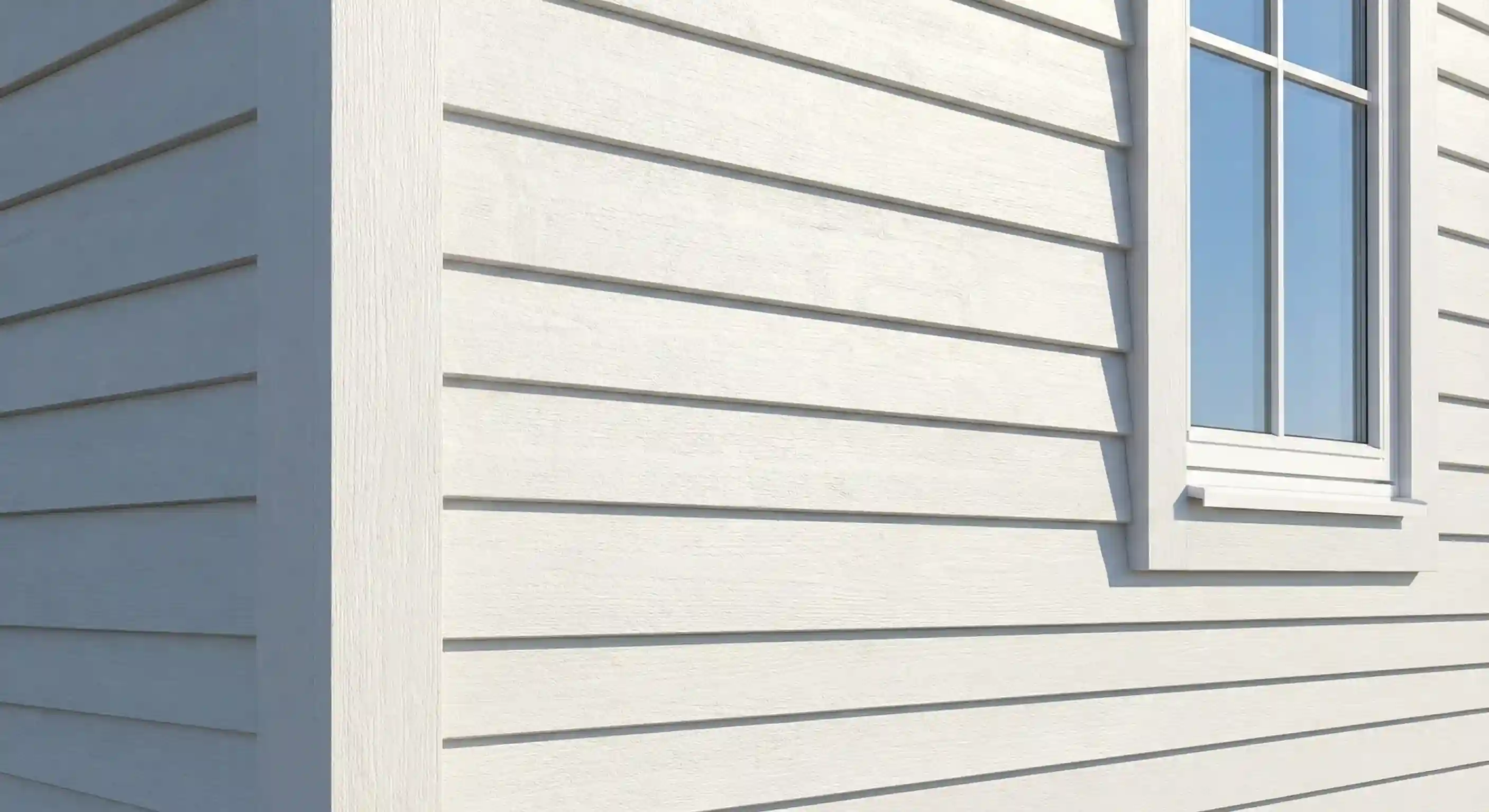
Lap Siding Horizontal boards in various widths (typically 5.25”, 7.25”, or 8.25”). Most popular style. Mimics traditional wood lap siding.
Vertical Siding Board-and-batten and vertical panel options. Creates clean, modern lines or rustic barn-style aesthetics.
Shingle Siding Replicates cedar shakes and decorative shingles. Popular for accents, gables, and architectural interest.
Panel Siding 4x8 or 4x10 sheets for large wall areas. Less common but cost-effective for simple structures.
Fiber Cement Installation Process
Fiber cement requires specialized tools and techniques. It’s heavier than vinyl and needs different fastening than wood.
Cutting & Handling Fiber cement is dense and brittle. We use specialized shear tools or fiber cement blades to cut cleanly without cracking. Improper cutting creates weak points that crack later.
Moisture Protection House wrap, flashing, and sealed edges prevent moisture intrusion. We seal all cut edges with paint or approved sealant before installation.
Fastening Specific nail types, placement, and depth required. Over-driven nails crack fiber cement. Under-driven nails allow movement. We use pneumatic nailers set to exact depth.
Clearances Minimum 6” from grade, 1-2” from roofing and decks. These clearances prevent moisture wicking from ground contact.
Painting Primed fiber cement arrives ready for painting. We prime all field cuts and paint after installation. Quality exterior acrylic paint provides optimal protection and appearance.
Fiber Cement Painting & Finishes
Factory Primed Most fiber cement ships with factory-applied primer. You choose the final color and paint after installation.
Field Painting We use high-quality exterior acrylic paints rated for fiber cement. Proper surface prep, primer on cuts, and two finish coats provide lasting results.
Color Selection Any color works—you’re not limited by manufacturer options like with vinyl or factory-finished products. Popular choices in San Antonio include warm neutrals, earth tones, and classic whites.
Repainting Schedule Expect to repaint every 10-15 years. South-facing walls in full sun may need attention sooner. Quality paint and proper prep extend intervals significantly.
Fiber Cement Maintenance
Annual Inspection Check caulk around windows, doors, and trim. Look for cracks, chips, or paint failure. Address issues promptly to prevent moisture intrusion.
Periodic Cleaning Rinse with garden hose annually. Use mild soap and soft brush for stubborn dirt. Avoid pressure washers—they can damage paint and force water behind siding.
Repainting When paint shows fading, chalking, or wear, repaint. Proper surface prep (cleaning, scraping loose paint, priming bare spots) ensures new paint adheres well.
Caulk Replacement Caulk degrades over years. Replace cracked or missing caulk at trim joints, corners, and penetrations every 5-7 years.
Fiber Cement Cost Factors
Material Grade Premium brands cost more than generic fiber cement but offer better warranties and quality control.
Thickness Standard is 5/16”. Thicker profiles (7/16”) cost more but provide better impact resistance and rigidity.
Profile Type Lap siding costs less than shingle or specialty profiles due to easier installation.
Painting Field painting adds $1-2 per square foot. Pre-finished products (like James Hardie ColorPlus) cost more but save painting labor.
Installation Complexity Multi-story homes, intricate trim, and difficult access increase labor costs.
Fiber Cement vs. Other Materials
Fiber Cement vs. Vinyl Fiber cement costs more upfront but lasts longer, looks more authentic, and provides superior fire and impact resistance. Vinyl requires less maintenance (no painting) but lacks fiber cement’s durability.
Fiber Cement vs. James Hardie James Hardie is premium fiber cement with climate-specific engineering and superior finish warranties. Generic fiber cement costs 20-30% less but lacks James Hardie’s specialized formulations and ColorPlus finish.
Fiber Cement vs. Wood Fiber cement mimics wood appearance without rot, termites, or excessive maintenance. Initial costs are similar, but lifetime costs are far lower due to no rot repairs or frequent repainting.
Frequently Asked Questions
How long does fiber cement siding last?
30-50 years with proper installation and maintenance. Regular repainting extends lifespan significantly.
Does fiber cement crack easily?
No, but improper installation (over-driven nails, no expansion gaps, unsealed edges) can cause cracking. Professional installation prevents these issues.
How often does fiber cement need painting?
Every 10-15 years on average. South-facing walls in full sun may need attention sooner. Quality paint extends intervals.
Is fiber cement heavy?
Yes, significantly heavier than vinyl. This requires proper framing and professional installation. The weight contributes to its durability and impact resistance.
Can fiber cement be installed over existing siding?
We don’t recommend it. Proper installation requires moisture barriers, inspection of sheathing, and secure fastening to studs—none of which work well over existing siding.
Does fiber cement dent from hail?
Fiber cement resists hail far better than vinyl but can be damaged by severe hail. Impact creates chips or cracks rather than dents. Repairs are straightforward—replace damaged boards.
Will fiber cement lower my insurance?
Possibly. Some insurers offer discounts for fire-resistant materials. Check with your agent—savings vary by company and policy.
Interested in fiber cement siding for your San Antonio home? Call us for a free estimate. We’ll discuss material options, show you samples, and provide detailed pricing for your project. Our experienced crews will handle your installation with the precision fiber cement requires.