The Real Question: Cheap Now or Cheap Later?
Vinyl costs half what fiber cement costs. But fiber cement lasts twice as long.
That’s the basic math. But the real decision depends on your specific situation, how long you’re staying in your home, and what San Antonio’s climate does to each material.
I install both. Here’s the honest comparison.
Cost Comparison: What You’ll Actually Pay
Vinyl Siding: $3.45 - $7 per square foot installed
- Material: $1.50 - $3 per square foot
- Labor: $2 - $4 per square foot
- Average 2,000 sq ft home: $8,000 - $14,000
Fiber Cement Siding: $6 - $15 per square foot installed
- Material: $2.50 - $6 per square foot
- Labor: $3.50 - $9 per square foot (heavier, slower install)
- Average 2,000 sq ft home: $15,000 - $30,000
Vinyl is cheaper upfront. No question.
But calculate cost per year of lifespan:
- Vinyl ($12,000 ÷ 20 years) = $600/year
- Fiber cement ($22,000 ÷ 50 years) = $440/year
Fiber cement is actually cheaper over time.
Durability: How They Hold Up in San Antonio
Fiber Cement Wins in Texas Heat
Fiber cement doesn’t warp in heat. I’ve seen 15-year-old fiber cement installations in San Antonio that still look perfect. No buckling, no warping, no cracking.
Lifespan: 50+ years
Vinyl starts showing heat stress after 10-15 years, especially on south and west-facing walls. You’ll see warping, buckling, and brittleness.
Lifespan: 20-25 years (potentially less in extreme heat)
Impact Resistance
Fiber cement handles hail and debris better. A baseball or hailstone will dent vinyl. It might crack fiber cement, but you’re less likely to see damage.
Vinyl becomes brittle with age. After 15 years of UV exposure, it cracks easier than when new.
Wind Resistance
Both materials resist wind when installed properly. But fiber cement’s weight keeps it more secure in extreme wind events. We’ve seen 60+ mph winds rip vinyl panels off homes with poor installation. Fiber cement stays put.
Maintenance: What You’re Signing Up For
Vinyl Siding
Low maintenance is vinyl’s biggest selling point.
- No painting required
- Wash with garden hose once a year
- Replace damaged panels as needed
But low maintenance doesn’t mean zero issues:
- Panels can warp in heat (not fixable, must replace)
- Colors fade over 15-20 years
- Brittle panels crack easier as they age
Fiber Cement Siding
Moderate maintenance requirements:
- Repaint every 12-15 years ($3,000-$6,000 for professional job)
- Caulk joints every few years
- Power wash annually
If you go with James Hardie ColorPlus (factory-finished), you can extend repainting to 20-25 years. But you’re paying extra upfront for that finish.
Total maintenance cost over 30 years:
- Vinyl: $500-$1,000 (panel replacements, cleaning)
- Fiber cement: $6,000-$12,000 (two paint jobs)
Appearance: Which Looks Better?
This is subjective, but here’s what I see:
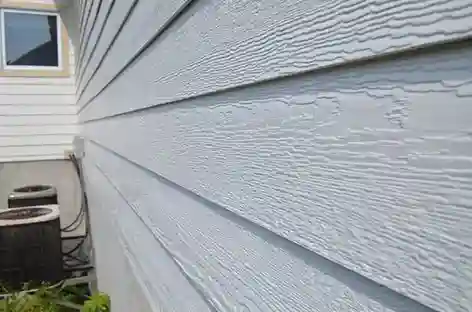
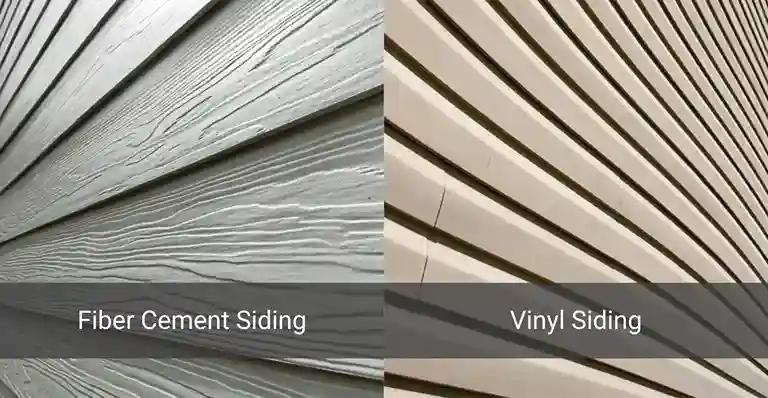
Fiber cement looks more like real wood. The texture is deeper, the shadow lines are more pronounced. It photographs better and adds more to curb appeal.
Vinyl looks like vinyl. Modern vinyl has improved - you can get realistic wood grain textures - but it still looks plastic up close.
For resale value, fiber cement typically adds more to your home’s value than vinyl. Appraisers and buyers recognize it as a premium material.
Energy Efficiency: Impact on Your Cooling Bills
Neither material is a great insulator by itself. But you can add insulation to both:
Insulated vinyl: Foam backing adds R-2 to R-4 insulation value. Adds $1-$2 per square foot to cost.
Fiber cement with insulation: Rigid foam sheathing behind fiber cement adds R-3 to R-5 value. Adds $1.50-$3 per square foot.
In San Antonio’s climate, insulation pays for itself. Summer cooling bills can drop 15-25% with properly insulated siding.
Neither material has a clear energy efficiency advantage - it’s all about what you install behind it.
Installation Differences
Vinyl installs faster: 3-7 days for average home. It’s lighter and cuts easier.
Fiber cement takes longer: 5-10 days for average home. It’s heavier, requires more specialized cutting equipment, and creates more dust.
Longer installation means higher labor costs. But it also usually means more careful work. Fiber cement installation requires more skill than vinyl.
Climate Considerations for San Antonio
This is where vinyl struggles in our market.
Heat Performance
San Antonio hits 95°F average in August. Surface temperatures on dark siding can reach 150°F+.
Vinyl softens around 160°F. When it softens, it warps. I’ve seen vinyl siding on south-facing walls warp within 5-7 years.
Fiber cement doesn’t care about heat. It’s cement-based. Heat doesn’t affect it.
If you go vinyl in San Antonio:
- Choose light colors only (white, beige, light gray)
- Avoid dark colors that absorb heat
- Make sure contractor leaves proper expansion gaps
Moisture and Humidity
San Antonio averages 66% humidity. Both materials handle humidity fine, but installation matters:
Vinyl is naturally moisture-resistant. Water doesn’t hurt it.
Fiber cement can wick moisture if edges aren’t properly sealed. Good contractors paint all cut edges before installation.
Storm Damage
Both materials resist San Antonio’s occasional severe weather, but fiber cement has the edge:
- Better hail resistance
- Less wind damage
- Doesn’t become brittle with age
When Vinyl Makes Sense
Choose vinyl if:
- Budget is tight: You need to replace siding now and can’t afford fiber cement
- Short-term ownership: You’re selling in 5-10 years
- North-facing walls: Less heat stress on northern exposures
- Rental property: Low maintenance matters more than longevity
- Light colors work: You’re fine with white, beige, or light gray
When Fiber Cement Makes Sense
Choose fiber cement if:
- Long-term home: You’re staying 15+ years
- Maximum durability: You want siding that lasts 50+ years
- Texas heat exposure: Significant south or west-facing walls
- Resale value matters: Premium materials add to home value
- Authentic look: You want the most realistic wood appearance
- Dark colors: You want colors that won’t warp in heat
What I Install on My Own House
Fiber cement. James Hardie specifically.
I don’t want to think about my siding for the next 30 years. I don’t want to worry about warping in heat. And I like that it adds real value to my home.
But I install vinyl on rental properties where budget matters more than longevity.
The Honest Recommendation
For most San Antonio homeowners staying in their homes long-term: Fiber cement is worth the extra cost.
It handles Texas heat better. It lasts longer. It adds more value. And spread over 50 years, it’s actually cheaper than vinyl.
For homeowners on tight budgets or selling within 10 years: Quality vinyl (light colors only) is a reasonable choice.
Just understand its limitations in our climate and plan accordingly.
Get Expert Guidance for Your Home
Every house is different. Your exposure, budget, and timeline affect which material makes sense.
We’ll assess your specific situation and give you honest recommendations. No pressure to go with the more expensive option - just straight talk about what works for your home and budget.
Ready to choose the right siding? Get a free consultation or call (210) 880-0656. We’ll explain your options and provide detailed quotes for both materials.
Learn more about vinyl siding installation or explore fiber cement siding options for your San Antonio home.