The $15,000 Mistake You Don’t Want to Make
Siding replacement costs $15,000-$25,000 for most San Antonio homes. That’s enough money that choosing the wrong contractor turns into a nightmare.
I’ve seen it too many times:
- Contractors who disappear after the deposit
- Crews that don’t pull permits
- “Finished” jobs that fail inspection
- Cheap work that needs full replacement within 5 years
Here’s how to avoid becoming one of those stories.
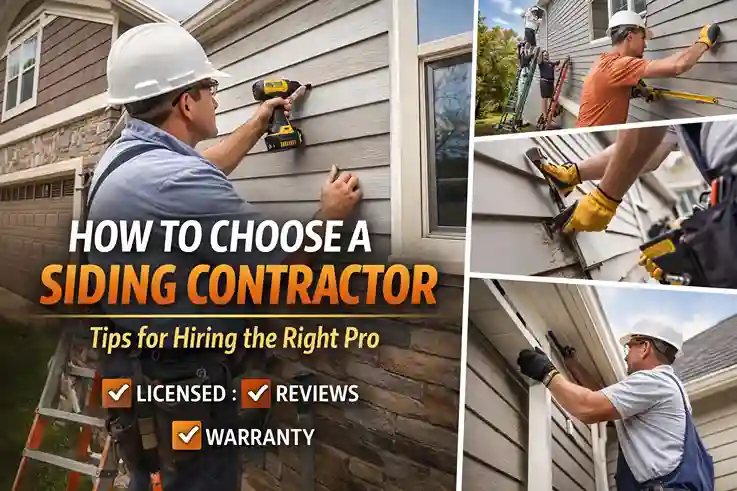
Start with These Non-Negotiables
Before you even talk quotes, verify these basics. If a contractor can’t provide them, move on.
1. Texas Contractor License
Texas doesn’t require a specific license for siding installation (unlike plumbing or electrical). But legitimate contractors should have:
- General contractor license (if they offer it)
- Business registration with the Texas Secretary of State
- Sales tax permit (required to purchase materials)
Ask for their business registration number. Verify it at Texas.gov.
2. Insurance (Both Types)
Any contractor working on your house needs:
General liability insurance ($1-2 million coverage minimum)
- Covers property damage during work
- Protects you if they damage your house or neighbor’s property
Workers’ compensation insurance
- Covers their crew if injured on your property
- Without this, you’re liable if someone gets hurt
Get certificate copies directly from their insurance company. Don’t accept photocopies the contractor provides - they’re too easy to fake.
3. Local Business Address
Storm chasers and fly-by-night contractors use PO boxes or out-of-state addresses. Legitimate San Antonio contractors have local shops and offices.
Drive by their business location. If it’s a mailbox store or doesn’t exist, that’s a red flag.
Questions to Ask Before Getting Quotes
These questions separate professionals from amateurs:
“How long have you been installing siding in San Antonio?”
What you’re really asking: Do they understand our climate?
San Antonio’s heat does specific things to siding. Contractors who’ve worked here for years know how to account for expansion, what materials hold up, and which installation techniques work in our weather.
New contractors aren’t automatically bad. But experienced local contractors make fewer mistakes.
”Can you provide references from jobs completed in the last year?”
Emphasis on “last year.” A contractor who’s been around for 20 years but can’t provide recent references might be coasting on old reputation.
Call those references. Ask:
- Did they finish on schedule?
- Were there surprise costs?
- How did they handle problems?
- Would you hire them again?
If a contractor won’t provide references, walk away.
”What manufacturer certifications do you have?”
James Hardie, CertainTeed, and other major manufacturers certify contractors who meet their installation standards.
Certification means:
- They’ve been trained on proper installation
- They can offer manufacturer warranties
- They follow industry best practices
Not all good contractors are certified. But certification is a good sign.
”Do you pull permits for siding work?”
In San Antonio, permits are required for most siding replacement work. Contractors who skip permits are:
- Breaking the law
- Avoiding inspections (which means shoddy work might not get caught)
- Putting you at risk during home sales (unpermitted work must be disclosed)
Permits cost $200-400. Contractors who skip them to save money are cutting other corners too.
”What’s included in your warranty?”
Good contractors offer two warranties:
Workmanship warranty: Covers installation defects (2-10 years) Manufacturer warranty: Covers material defects (varies by product)
Get both in writing. And understand what they actually cover. “Lifetime warranty” often has so many exclusions it’s meaningless.
Red Flags That Mean “Run Away”
These warning signs tell you to keep looking:
1. Requires Large Upfront Deposit
Standard deposits are 10-30% of project cost. Anything over 50% is suspicious.
Common scam: Contractor collects 50-75% deposit from multiple homeowners, then disappears.
Pay no more than 30% upfront. Pay the balance only when work is complete and passes inspection.
2. No Written Contract
Everything should be in writing:
- Exact scope of work
- Materials specified by brand and model
- Start and completion dates
- Payment schedule
- Warranty terms
Verbal agreements are worthless when problems arise. If they won’t put it in writing, they’re planning to cut corners.
3. Pressure to Sign Immediately
“This price is only good if you sign today.”
That’s a sales tactic, not a legitimate offer. Good contractors don’t pressure you. They give you time to get multiple quotes and make an informed decision.
4. Door-to-Door Solicitation After Storms
Storm chasers follow hail and wind damage, knock on doors, and offer “insurance claim assistance.”
Some are legitimate. Many are scams who:
- Inflate damage claims (insurance fraud)
- Do cheap repairs that fail within a year
- Disappear when warranty claims arise
If you need repairs after storm damage, you contact contractors. Don’t work with contractors who show up uninvited.
5. Price is 30%+ Lower Than Other Quotes
If everyone quotes $18,000-$22,000 and one contractor quotes $12,000, something’s wrong.
They’re either:
- Using inferior materials
- Skipping proper preparation work
- Planning to cut corners on installation
- Not pulling permits
- Inexperienced and underestimating the job
Cheap quotes cost more when the work fails and needs redoing.
Green Flags of Quality Contractors
These signs indicate you’re dealing with a professional:
They Measure in Person
Good contractors measure your home themselves. They don’t give quotes based on your estimate of square footage.
They Explain Material Options
They should explain pros and cons of different materials for your specific situation. Contractors who push one product without discussing alternatives are more interested in their profit margin than your needs.
They Address Potential Issues
“I noticed your soffit has some damage. We should address that before installing new siding.”
Good contractors identify problems before they become surprises mid-project.
They Have Local Reviews
Check Google, Yelp, and Better Business Bureau. Look for:
- Consistent positive reviews over time
- How they respond to negative reviews
- Recent reviews (not just 5-year-old ones)
Fake reviews are obvious - they’re all 5 stars posted within days of each other with generic comments.
They’re Not the Cheapest or Most Expensive
The best contractors are usually in the middle of the price range. They charge fair rates for quality work.
Cheapest quotes mean corners get cut. Most expensive doesn’t always mean best - sometimes it just means overhead costs.
Get Multiple Quotes (The Right Way)
Get 3-4 quotes from different contractors. But make sure you’re comparing apples to apples:
Same material specifications: “Vinyl siding” isn’t enough. Get exact product names and models.
Same scope of work: One quote might include trim replacement, another might not.
Written breakdown: So you can see where cost differences come from.
The lowest quote isn’t automatically the best value. Compare total package: materials, warranty, timeline, contractor reputation.
Trust Your Gut
If something feels off, it probably is.
- Contractor seems evasive about licensing or insurance?
- Contract terms are vague?
- They won’t provide references?
- They’re rushing you to decide?
Those are all reasons to keep looking.
Work with Contractors You Can Trust
We’ve been installing siding in San Antonio for years. We carry full licensing and insurance, pull all required permits, and provide detailed written estimates with no pressure to sign.
Our contracts spell out exactly what you’re getting, what it costs, and how long it takes. And we provide recent references you can actually call.
Ready to get a professional quote? Request a free estimate or call (210) 880-0656. We’ll measure your home, explain your options, and provide a detailed written quote with no obligations.
Choosing between vinyl and fiber cement siding? Read our comparison guide. And check out our San Antonio siding cost guide to understand what you should expect to pay.