Not All Siding Survives Texas Summers
San Antonio hits 95°F regularly in August. We’ve seen stretches where it stays above 100°F for weeks straight. And when the sun beats down on a south-facing wall, surface temperatures can reach 150°F or higher.
That kind of heat separates materials that hold up from materials that fail.
I’ve replaced enough warped, cracked, and melted siding to know which materials actually survive Texas weather. Here’s what works and what doesn’t.
The Heat Problem: Why Material Choice Matters
When siding heats up, it expands. When the sun goes down, it contracts. This happens every single day for months.
Cheap materials can’t handle that cycle. You get:
- Warping - Panels buckle and pull away from the wall
- Cracking - Thermal stress splits the material
- Fading - UV exposure bleaches out colors
- Melting - Yes, some vinyl actually melts in extreme heat
The right material resists all of that.
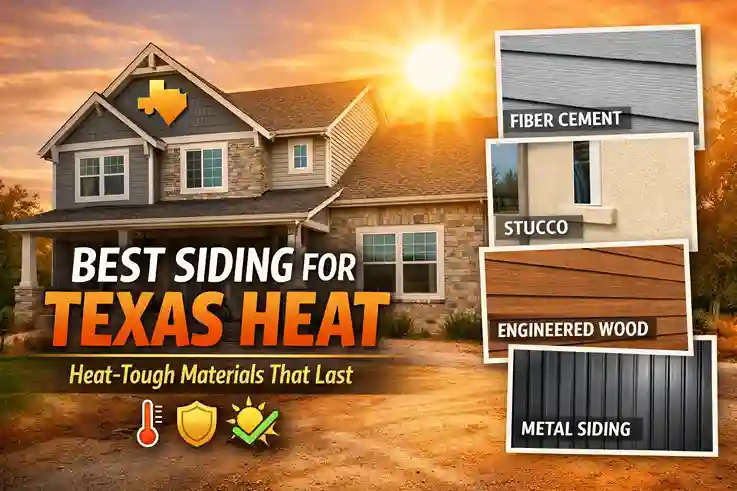
Fiber Cement: The Texas Heat Champion
Durability Rating: 50+ years
Fiber cement is what I install on my own house. It’s a mix of cement, sand, and cellulose fibers that’s engineered to handle temperature extremes.
Why It Works in San Antonio
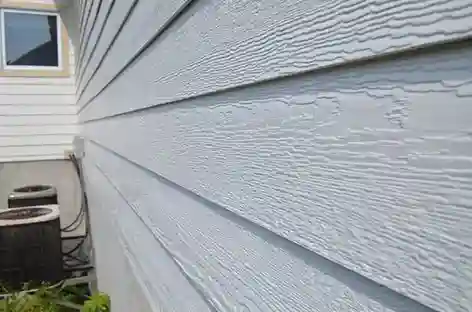
Fiber cement doesn’t expand and contract like vinyl or wood. Heat doesn’t warp it. Cold doesn’t crack it. It sits flat against your walls year after year.
We’ve installed fiber cement on homes throughout San Antonio since the early 2000s. The oldest installations still look great. No warping, no cracking, no fading.
The Downsides
It’s heavy. Installation takes longer than vinyl, which means higher labor costs. And it’s more expensive upfront - typically $6-$15 per square foot installed versus $3.45-$7 for vinyl.
But you’re not replacing it in 15 years like you might with vinyl in this climate.
Best Fiber Cement Brands
James Hardie dominates the market, but Allura and LP SmartSide also make quality products. Hardie specifically engineers their HZ10 product line for high-heat, high-humidity zones like Texas.
James Hardie: Premium Fiber Cement Engineered for Heat
Durability Rating: 50+ years with 30-year warranty
James Hardie is fiber cement, but with specific engineering for different climate zones. Their HZ10 products are designed for the heat and humidity we get in San Antonio.
What Makes Hardie Different
They add extra binders and use a proprietary curing process that makes their boards more resistant to moisture and heat cycling. The result is siding that’s less likely to crack or split over time.
Hardie also offers ColorPlus technology - a baked-on finish that holds up better than paint in UV exposure. In San Antonio’s intense sun, that matters.
Is the Premium Worth It?
Hardie costs $10-15 per square foot installed. Generic fiber cement runs $6-12. You’re paying extra for:
- Better warranty (30 years versus 15-20 for generic brands)
- Proven long-term performance in Texas heat
- Better resale value
- More color options with guaranteed fade resistance
If you’re staying in your home long-term, Hardie makes sense. If you’re flipping or plan to move in 5-10 years, generic fiber cement works fine.
Vinyl Siding: Proceed with Caution in Texas
Durability Rating: 20-25 years (less in extreme heat)
Vinyl is affordable and easy to install. But in San Antonio, it has limitations you need to understand.
The Heat Problem
Vinyl softens at around 160°F. On a 100°F day, a dark-colored vinyl panel in direct sun can easily hit that temperature. When vinyl softens, it warps.
I’ve seen vinyl siding on south and west-facing walls buckle and warp after just 5-7 years. Meanwhile, the north-facing vinyl on the same house looks perfect.
When Vinyl Works in San Antonio
If you’re going vinyl, follow these rules:
- Stick with light colors - White, beige, light gray. Dark colors absorb too much heat.
- Quality matters - Thicker panels (0.046” or more) resist warping better than thin builder-grade vinyl
- Proper installation is critical - Contractors need to leave expansion gaps. Vinyl that’s nailed too tight buckles when it heats up.
Best Vinyl for Texas Heat
If you’re set on vinyl, look for products rated for high-temperature zones:
- CertainTeed Cedar Impressions (0.046” thickness)
- Alside Charter Oak (0.044” thickness)
- Royal Celect (0.046” thickness with insulation backing)
And honestly? Skip vinyl if your home has significant south or west exposure. The risk isn’t worth the savings.
Engineered Wood: Risky in Our Humidity
Durability Rating: 25-30 years (with perfect maintenance)
LP SmartSide makes engineered wood that’s treated to resist moisture and insects. It looks great and costs less than fiber cement.
But San Antonio gets humid. We average 66% humidity year-round. Wood-based products, even treated ones, can develop mold and moisture problems if installation isn’t perfect.
I’ve seen LP SmartSide perform well on some homes. But I’ve also seen it fail when water gets behind it. In our climate, I’d rather install fiber cement and not worry about it.
Metal Siding: Maximum Heat Resistance
Durability Rating: 40-50 years
Steel and aluminum siding handle heat better than anything. They don’t warp, crack, or fade. Fire resistance is excellent.
The downside? Most homeowners don’t like the look for residential applications. Metal works great for commercial buildings or modern architectural styles, but it doesn’t fit traditional San Antonio home aesthetics.
If you like the industrial look, metal is bulletproof in our climate.
Stucco: Traditional Texas Option
Durability Rating: 50+ years
Stucco has been used in Texas for over a century. It handles heat exceptionally well and provides good insulation.
But stucco isn’t really siding - it’s a completely different installation method that requires specialized skills. And if it cracks (which happens), water intrusion can cause serious damage.
Good stucco lasts forever. Bad stucco becomes a nightmare. Make sure your contractor knows what they’re doing.
What I Actually Recommend for San Antonio Homes
After installing siding on hundreds of San Antonio homes, here’s my honest recommendation:
Best Overall: Fiber Cement (James Hardie or quality generic)
- Handles heat without warping
- Lasts 50+ years
- Resists hail and wind damage
- Good resale value
Budget Option: Quality Vinyl (light colors only)
- Save money upfront
- Works fine on north-facing walls
- Expect 20-25 year lifespan
- Avoid dark colors
Premium Choice: James Hardie ColorPlus
- Maximum durability and warranty
- Best fade resistance
- Highest resale value
- Worth it if staying long-term
Installation Matters as Much as Material
Even the best siding fails if installation is sloppy. In Texas heat, proper installation means:
- Correct expansion gaps - Materials expand in heat
- Moisture barriers - Essential in our humidity
- Proper flashing - Keeps water out during storms
- Ventilation - Prevents heat buildup behind siding
A good contractor knows how to install for Texas climate. A cheap contractor follows generic instructions that don’t account for our weather.
Make the Right Choice for Your San Antonio Home
Your siding needs to survive 95°F summers, occasional hailstorms, and intense UV exposure. Cheap materials don’t cut it here.
We install fiber cement and James Hardie on most San Antonio homes because it’s what actually lasts. But every house is different, and we’ll give you honest recommendations based on your budget and how long you plan to stay.
Ready to pick the right siding for Texas heat? Get a free consultation or call (210) 880-0656. We’ll assess your home’s exposure and recommend materials that will actually hold up.
Learn more about fiber cement siding installation or explore James Hardie options for your San Antonio home.